Brandon Stanton: Zero Intermediaries
One camera. One street. 30 million followers. Five #1 bestsellers. Then he gave it all back.
The Thesis: Direct Audience as Infrastructure
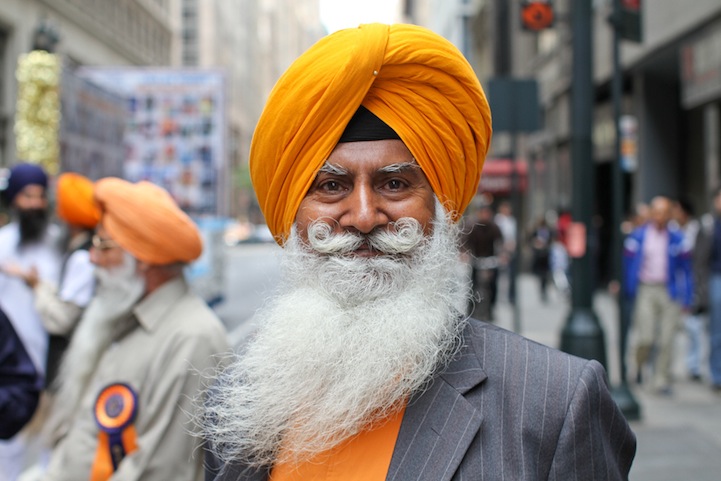
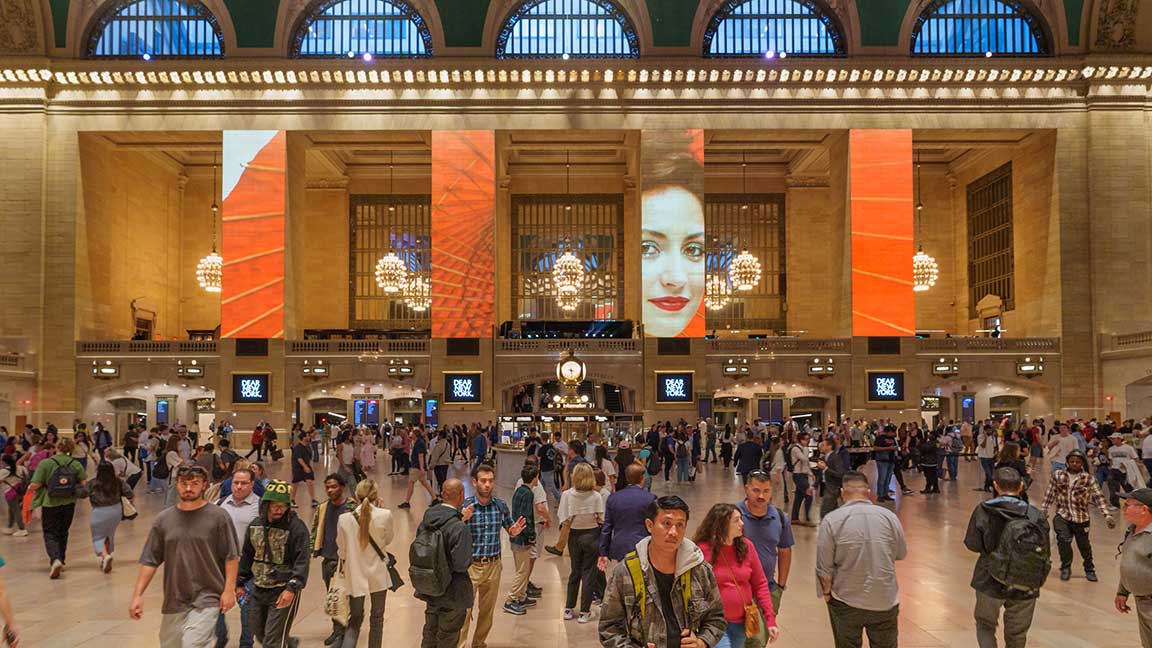
In 2010, a fired bond trader bought a camera and moved to New York with a plan to photograph 10,000 strangers and plot them on a map. He had no photography training, no media connections, no business plan. Fifteen years later, Brandon Stanton had 30 million social media followers, five #1 New York Times bestsellers that sold millions of copies, $20 million raised for causes and individuals, a White House invitation to interview President Obama, and a body of work The Washington Post called one of the most important art projects of the decade. Then he spent everything he'd made — fifteen years of earnings — to take over Grand Central Terminal, replace $3 million in advertising with portraits of New Yorkers, and create what was described as the largest public artwork in New York in twenty years.
"It cost me everything I've made from this project," Stanton said. "But it felt right."
Stanton is the purest direct-audience ownership case in the inventory — a 30-million-person platform built with zero intermediaries. No gallery. No agency. No network. No record label. Just a camera, a street, and an internet connection. And he is the reinvestment-as-artistic-vision case: having captured extraordinary value, he poured all of it back into the community that generated the stories.
When you walk through here, it can't feel like you're being sold to.
For the framework, the central tension is between audience ownership on rented land (Meta platforms) and the IP Stanton created through that audience (books, installation, cultural authority). He built one of the largest direct audiences in history — but it lives on platforms he doesn't control. The structures we map onto Stanton's career — creator-as-platform, daily-practice-as-constraint, diversified revenue, the Dear New York co-creation — are our framework, not a deal-structure manual he was working from. He bought a camera and started stopping strangers; the fit between what he built and how the structures behave is what makes the case useful.
Timeline
Creator-as-Platform: 30 Million With Zero Intermediaries
Stanton has the most direct audience relationship of any case in the inventory. No gallery represents him. No agency manages him. No network distributes him. No publisher discovered him — his audience discovered him, and publishers came to the audience. Every follower was earned through daily posting of portraits and stories, one at a time, for fifteen years.
The audience became infrastructure. When Stanton said "this person needs help," 30 million people responded. The New Yorker reported $8M raised in 18 months alone. This is audience trust monetized for social impact — a unique structure in the inventory. The trust is so deep that individual GoFundMe campaigns posted to HONY routinely raise six figures in hours.
Revenue Architecture
| Stream | Type | Est. Cumulative | Notes |
|---|---|---|---|
| Book sales / advances (5 #1 NYT) | IP / Royalties | $5–10M+ | Millions of copies, St. Martin Press |
| Keynote speaking | Authority | $2–5M+ | 100+ speeches, executive workshops |
| Licensing / merchandise | IP | Minimal | Stanton deliberately kept it minimal |
| Social media monetization | Platform | Minimal | Deliberately avoided heavy monetization |
| Fundraising platform (audience trust) | Impact | $20M+ raised | Not personal revenue — philanthropic |
| Dear New York installation | Art | Self-funded ($3M+ ads replaced) | Reinvested 15 years of earnings |
The purest Creator-as-Platform in the inventory — but built on rented land. 30M followers on Meta platforms. The cultural authority is owned. The distribution channel is not.
The structural tension: HONY's audience lives on Facebook and Instagram. Algorithm changes could reduce reach overnight. Stanton mitigated this through books (owned IP), the installation (physical), and cultural authority (permanent). But the core audience relationship depends on platforms he doesn't control. Compare: Sanderson (D2F retail = owned), Craig Mod (newsletter = owned), Stanton (social media = rented).
Constraint as Method: The Radical Simplicity
One person. One camera. Random strangers on the street. No studio, no lighting, no assistants, no booking agents. The constraint IS the format. Stanton admitted his photographs weren't technically perfect — the compositions weren't ideal, the focus was sometimes soft. But the creative judgment about which person to stop, which question to ask, and how to edit for emotional truth was irreplaceable.
This is the discernment premium in its purest form. The same camera in someone else's hands produces different results because the judgment is different. Technical photography is commodity. Intimate storytelling with strangers is not. Stanton's evolution — from short quotes to longer stories to multi-chapter longform to single-subject books to immersive installations — represents deepening within the constraint, not abandoning it.
The Compounding Effect
Daily stories build audience (30M followers). The audience enables books and speaking (five #1 bestsellers, 100+ keynotes). Revenue and trust enable fundraising ($20M+ raised for causes). Fundraising and impact build cultural authority (Obama, UN, Washington Post). Cultural authority enables Dear New York (Grand Central takeover). And the installation generates new stories, new followers, new cultural weight — restarting the cycle.
The unique element: Stanton's flywheel runs on audience trust, not audience monetization. He deliberately avoided heavy social media monetization. He kept licensing and merchandise minimal. The audience trust became philanthropic infrastructure worth $20M+ — and ultimately funded a $3M+ public artwork that carried no branding.
Transferable Lessons
Stanton had no photography degree, no gallery representation, no media credentials, no business plan. He bought a camera and started stopping strangers on the street. His subject required no booking, no casting, no budget. The most important creative projects sometimes begin with nothing but a compulsion and a tool.
The validation: For every creative who feels they don't have the credentials or connections to build something significant — Stanton is proof that consistent output and a genuine human skill can generate everything else.
Stanton admitted his photos aren't technically perfect — out of focus, imperfect composition. But "I had an idea that was new that brought something to the world." The same camera in someone else's hands produces different results because the judgment is different: which person to stop, which question to ask, how to edit for emotional truth.
The principle: This is the discernment premium in its purest form. Technical skill is commodity. The judgment about what to do with the skill is not. Stop optimizing technique and start developing judgment.
Books, speaking, fundraising, the White House, Dear New York — all derived from the 30M-person audience Stanton assembled through consistent daily posting. The audience came first. Everything else was downstream.
The sequence: Audience → books → authority → philanthropy → art. Not the reverse. Don't try to build the product before the audience. Build the relationship first.
$20M+ raised through direct audience trust — no foundation, no institutional backing, no tax-advantaged structure. When Stanton says "this person needs help," millions respond. This trust is infrastructure. It's a unique asset class: the ability to mobilize collective action through earned credibility.
The application: Whatever your audience size, the trust you build with them is a form of capital. It can fund projects, attract collaborators, open doors, and create impact at scale. But it requires years of consistency and a refusal to exploit it.
HONY evolved: short quotes → longer stories → multi-chapter longform → single-subject book (Tanqueray) → immersive installation (Dear New York). Same core method — street portraits plus conversations — expressed with increasing ambition. Stanton didn't chase new formats. He went deeper into what he already did.
The pattern: Creative evolution is depth, not breadth. The radical simplicity of one person with one camera on one street became the largest public artwork in New York in twenty years. Don't add complexity — deepen what you already do.
Platform dependence. HONY lives on Facebook and Instagram — rented land. Algorithm changes could reduce reach overnight. Books and the installation mitigate this, but the core audience relationship depends on Meta. Compare: Sanderson (D2F = owned), Craig Mod (newsletter = owned). Timing. HONY launched at the exact moment social media rewarded this format. The same project starting in 2024 would face radically different algorithmic headwinds. The reinvestment gamble. Spending everything on Dear New York is either the most courageous artistic decision in the inventory or the most financially reckless. Stanton chose art over financial security. Valid — but not a model everyone should follow.
Solo operator limits. Stanton works largely alone for the photography/storytelling core. Dear New York required 100+ people — the first time he worked collaboratively at scale. The lack of an operational partner or institutional infrastructure means HONY depends entirely on Stanton's continued capacity.
But the audience-as-capital architecture is universal. Start without the credentials and let consistent output build them. Develop judgment — which subject, which question, which edit — instead of optimizing technique. Build the audience before the product, and treat the trust they extend as a real asset class with real returns. Deepen within your constraint instead of fleeing to new formats. And convert as much of that audience relationship as possible to owned infrastructure (books, installations, direct channels) before the rented platform changes the rules. These principles work whether the audience is 30 million or 3,000.
Verification Info
Primary Sources
Verified Data Points
Gaps to Verify