Defector Media: The Collective That Skipped Straight to Ownership
19 co-founders. Equal equity. $0 in venture capital. $20M+ in reader revenue. Five public annual reports.
The Thesis: You Don't Have to Make the Leap Alone
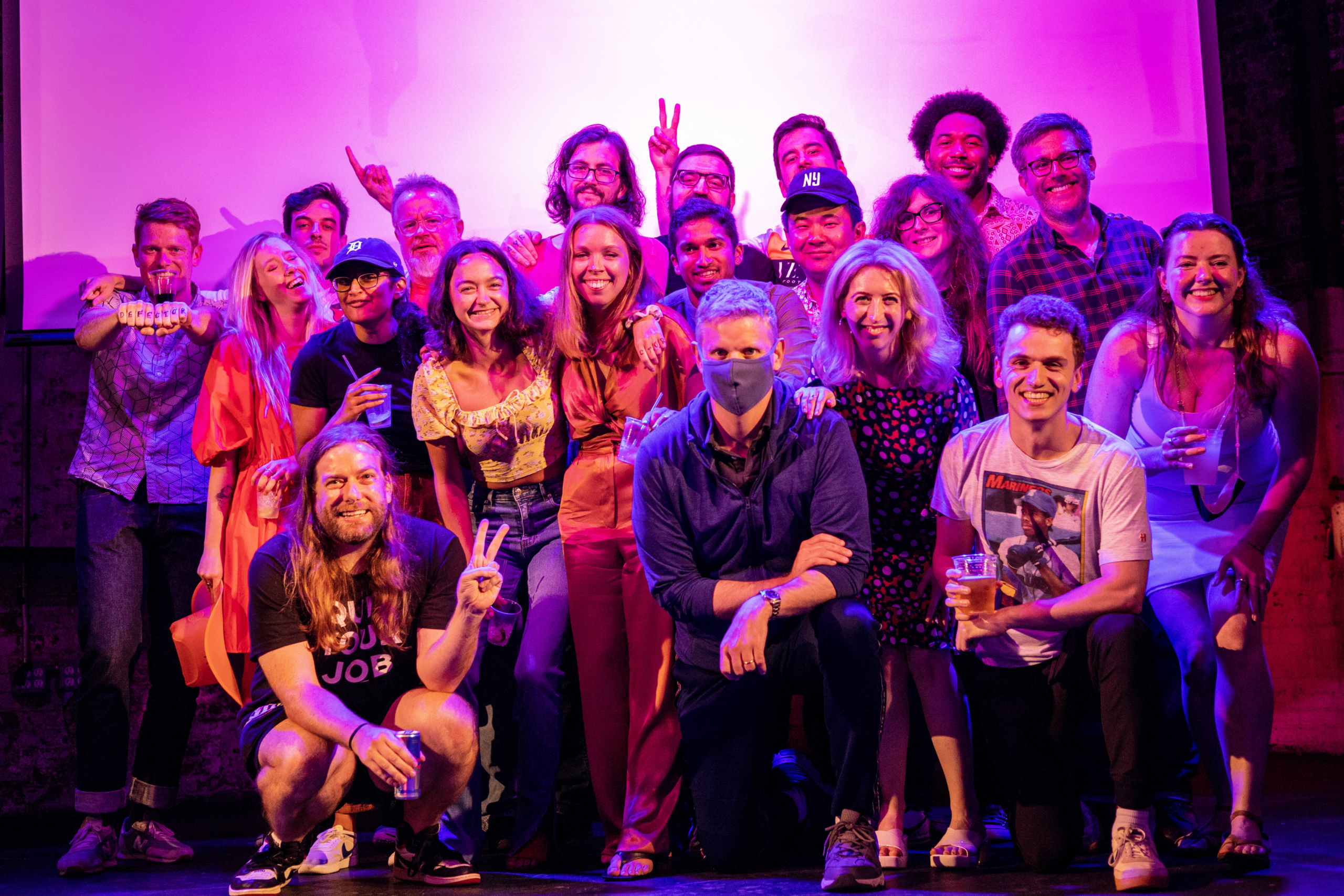
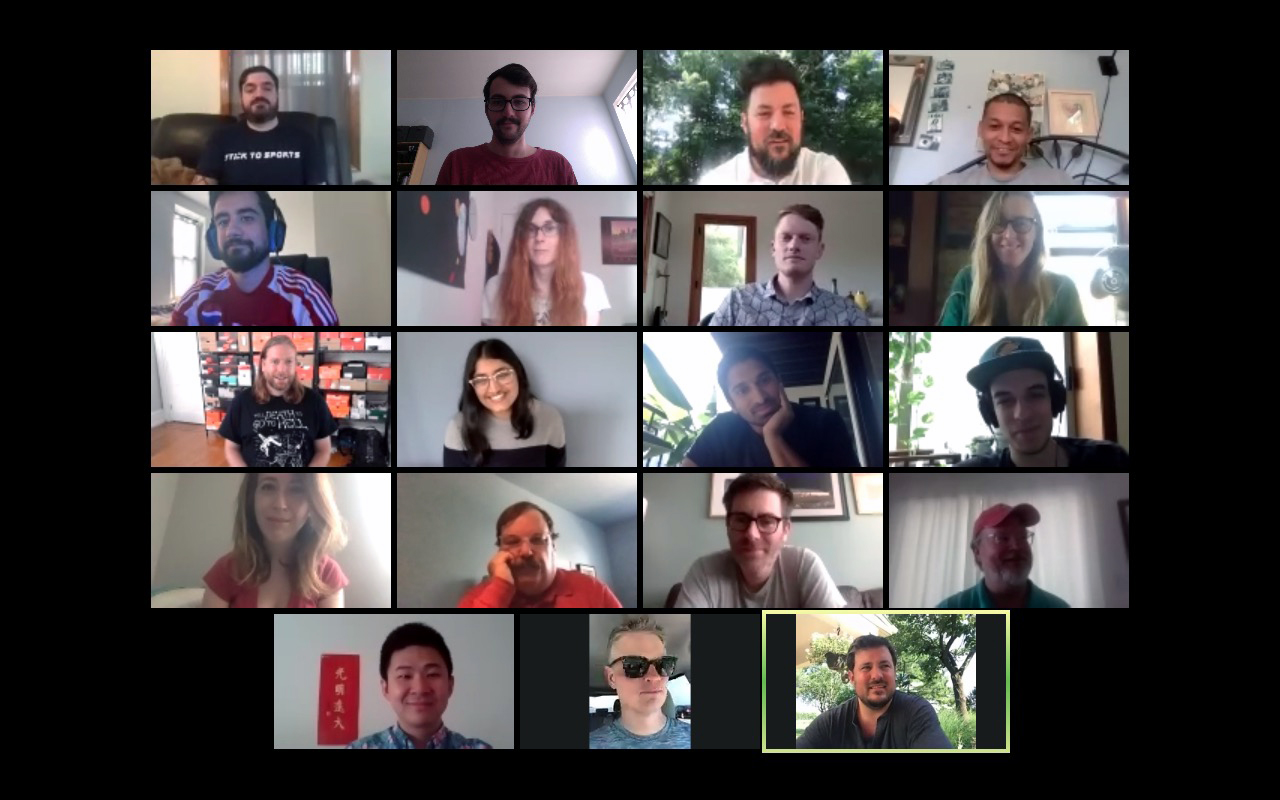
On October 29, 2019, the private equity owners of Deadspin fired deputy editor Barry Petchesky for refusing to "stick to sports." Within 48 hours, the entire editorial staff — roughly 20 people — quit in solidarity. The mass resignation made national news. Senators tweeted support. The New York Times covered it. Then came the hard part: what do 18 unemployed writers do next? They started a company. Not with venture capital — investors offered, each with preferred structures. Not as a Substack collective — they wanted to build together, not atomize. They formed a worker cooperative. Each of the 19 co-founders took equal equity: approximately 5% each. They hired one business person — Jasper Wang, a former Bain consultant who was also a Deadspin reader. They launched a subscription website. On announcement day, 10,000 people paid before a single word was published.
Five years later, Defector has generated over $20 million in cumulative revenue. It employs 25+ people with a $70,000 base salary, full benefits, total salary transparency, and quarterly profit-sharing. It has 40,000+ paying subscribers. It spawned Normal Gossip, a blockbuster podcast that generates six figures in annual ad revenue and drives 10% of new subscriptions. And every year, they publish an annual report with full financials — because they decided to, not because anyone required it.
Their labor built the audience. Their judgment defined the voice. Their bylines drove the traffic. And the people who owned the company could fire them for exercising that judgment. So they built their own.
This is the only collective ownership case in the library — and the most transparent business case for subscription-funded creative work in existence. It documents what happens when a group of mid-career creatives skip the individual progression entirely and leap together from employment to collective ownership. The structures we read against Defector — platform cooperative, subscription, product partnership, exclusive licensing — are our framework, not a deal-structure menu the founders worked from in 2019. They were unemployed writers who refused VC and built a worker-owned company. The fit between what they did and how the structures behave is what makes the case useful.
Timeline
Cooperative Structure: Equal Ownership, Democratic Governance
| Element | Detail |
|---|---|
| Equity split | Equal (~5% per co-founder) |
| Share classes | Active employee shares (voting + dividends); Non-employee shares (retained if someone leaves, no voting) |
| Base salary | $70,000 (same for everyone) |
| Target salaries | Position-based, narrow range above base; quarterly payouts based on performance |
| Transparency | Total: every employee sees every salary; annual report published with full financials |
| Benefits | Health insurance, 401(k), paid leave, family leave |
| Governance | Democratic; EIC and VP Revenue removable by two-thirds vote |
| External capital | $0 |
| Office | Small coworking space in Brooklyn (month-to-month); fully remote team |
Public Financials: Five Years of Transparency
This is the most transparent financial dataset in the entire library — not estimates, not ranges, but published annual reports with revenue, expenses, subscriber counts, salary structure, and strategy.
| Year | Revenue | Subscribers (Peak) | Sub Share | Key Development |
|---|---|---|---|---|
| Year 1 (2020–21) | $3.2M | 40,000+ | 95% | Launch; model validated |
| Year 2 (2021–22) | $3.8M | 41,000+ | ~90% | Normal Gossip launches (Jan 2022) |
| Year 3 (2022–23) | $4.5M | 42,100 | 85% | Non-sub revenue triples to $750K |
| Year 4 (2023–24) | $4.6M | 42,500 | ~80% | Subscriber plateau; diversification |
| Year 5 (2024–25) | ~$4.6M+ | ~40,000+ | ~80% | Display ads, Apple News+, consulting |
| Cumulative | $20M+ | 57,000+ gross | — | 12,000+ articles published |
Revenue Diversification
| Stream | Share | Trend | Notes |
|---|---|---|---|
| Subscriptions ($79–$1,000/yr) | ~80% | Stable | ~40,000 paying; 87–90% annual retention |
| Podcast advertising (Normal Gossip + newer shows) | Growing | Up | Radiotopia network; six-figure annual |
| Display ads (non-subscribers only) | New (2025) | Emerging | BuySellAds partnership; subscribers remain ad-free |
| Live events (Normal Gossip tours) | Variable | Growing | Sold-out national dates |
| Apple News+ | New | Emerging | Revenue share for content distribution |
| Consulting | New | Emerging | Advising other publications on cooperative models |
| Merchandise | Small | Stable | Supplementary |
Normal Gossip: The Individual Thread Inside the Collective
During the pandemic, Kelsey McKinney missed overhearing gossip at a bar. She tweeted that someone should give her a podcast about normal people's gossip. Her co-founders called: "Kelsey, you have a media company. We can make this podcast."
Every major podcast platform rejected the concept. Defector produced it internally. McKinney and producer Alex Sujong Laughlin built the first season themselves.
| Metric | Value |
|---|---|
| Total listens (by season 3) | 10M+ |
| New Defector subscriptions attributed | ~10% |
| Ad revenue | Six figures annually (growing) |
| Live tours | Sold-out national dates |
| Creative ownership | McKinney + Laughlin retained |
| IP ownership | Defector (cooperative) |
| Recognition | Vulture + Time best podcasts of the year |
| Transition | McKinney/Laughlin stepped away Dec 2024; new team; show continues |
Every major podcast company rejected Normal Gossip. Defector made it anyway. The cooperative structure meant there was no incentive misalignment: the podcast's success benefited all co-owners equally.
The McKinney thread demonstrates what healthy creative succession looks like inside a cooperative. She conceived the podcast, was rejected externally, built it internally, retained creative ownership, grew it into a blockbuster — and when she was ready to move on, the show transitioned smoothly to a new team. She stayed at Defector as co-owner and staff writer. She published two books. No acrimony, no defection, no renegotiation. The structure held because the incentives were aligned from the beginning.
The Compounding Effect
Great writing attracts subscribers. Subscriber revenue pays writers fairly ($70K + benefits + equity). Fair compensation and ownership mean writers stay — no star defection. Stable team allows creative experimentation (Normal Gossip). Experiments drive new revenue and new subscribers. Transparency (annual reports) builds reader trust, reinforcing subscription loyalty. And the quality of writing improves because the writers are secure, invested, and free to do their best work.
The flywheel's secret weapon is the anti-defection mechanism. In traditional media, when one person becomes prominent, the incentive is to leave and capture individual value. At Defector, McKinney's success benefited everyone equally. She had no financial incentive to defect.
Transferable Lessons
The individual path from employment to ownership is the transition most creatives never make — it requires building your own audience, pricing your own work, and bearing your own risk alone. Defector's co-founders bypassed this entirely by leaping together. The audience came with them. The risk was distributed across 19 people. The pricing was handled by one person with Bain experience.
The application: Find your co-founders. The collective leap is easier than the individual one. Shared infrastructure (health insurance, payroll, legal) that no individual can efficiently build alone becomes affordable when split 19 ways.
Defector didn't hire a business manager — they made Jasper Wang a co-owner. His financial modeling, pricing strategy, and operational competence are as essential as the editorial voice. Most creative cooperatives fail not because the work isn't good, but because no one understands cash flow.
The pattern: The creative-operational dyad appears across the inventory — Sanderson has his Dragonsteel team, Miranda has Jeffrey Seller, Bonobo has Ninja Tune. But Defector made the business person an equal co-owner with equal equity. That alignment is structural, not contractual.
When salaries, financials, and decision-making are transparent by design, the trust compounds. Defector's annual reports are simultaneously accountability documents, marketing assets, and industry resources. Journalists and media observers share them because they're genuinely useful. The transparency generates subscriptions.
The design principle: Build transparency as a structural feature, not a cultural aspiration. Publish the numbers. Let people see how the business works. The vulnerability creates credibility that curated success stories cannot match.
$79–$119/year is modest. Defector has been conservative about price increases, modeling elasticity carefully. The goal isn't maximum extraction — it's long-term subscriber retention at 87–90% annually. This is the opposite of venture-funded platform logic, and it's why five years in they're still operating.
The origin story is unreplicable. Wang acknowledged this directly: high-profile mass resignation from a beloved website, major press coverage, existing writer followings from years of daily blogging at 20 million monthly unique visitors, pandemic unemployment benefits. No new collective can replicate these conditions.
The subscription ceiling is real. ~40,000 subscribers for three years. Enough for a 25-person company, but not a growth business. Individual income is capped. Petchesky earned ~$130K at Deadspin — likely more than his Defector compensation. Wang estimates the media industry would need roughly a hundred Defector-sized publications just to offset recent job losses. The model works. It doesn't scale to save an industry.
But the cooperative architecture is universal. Make the leap collectively rather than individually so the audience travels with you and the risk distributes across many shoulders. Treat the operator role as co-equal ownership, not as a hire — the alignment has to be structural, not contractual. Build transparency as infrastructure rather than as a value statement; publish salaries and financials and let the accountability double as marketing. Price for retention, not growth, and protect the renewal rate as the real metric. These principles work whether the cooperative is 19 owners or 4.
Verification Info
Primary Sources (Published Financials)
Secondary Sources
Verified Data Points
Gaps to Verify