Roxane Gay: The Writer Who Became an Editorial Institution
NYT opinion. Substack 100K+. Marvel. Masterclass. Own imprint. Judgment as the product.
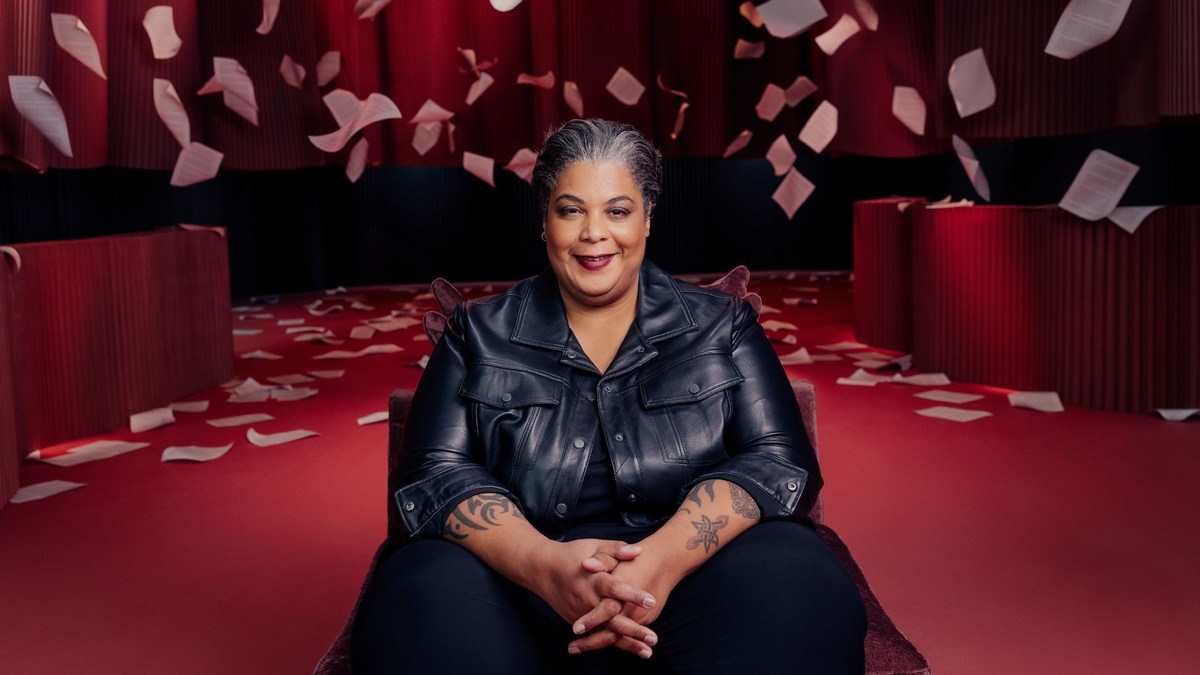
The Thesis: Editorial Judgment — Deciding What Matters — Is the Scarcest Creative Asset
Roxane Gay spent over a decade publishing in literary journals, teaching writing courses, and blogging before Bad Feminist made her famous in 2014. But the book was not the turning point — the infrastructure she built around her voice was. A New York Times contributing opinion writer. A Marvel comic book author (World of Wakanda). A podcast host (The Roxane Gay Agenda, Hear to Slay with Tressie McMillan Cottom). A Substack newsletter (The Audacity) with 100,000+ subscribers generating an estimated $500K–$1M+ annually. A Grove Atlantic imprint (Roxane Gay Books) where she selects and edits emerging voices. A Masterclass on writing as a practice of courage. She did not just become a successful writer. She became an editorial institution — a curator whose judgment about which voices matter generates its own economic value.
The crucial distinction: Gay does not just create work. She selects work. Through her imprint, she decides which writers and stories the world should hear. Through her Substack, she decides which cultural issues deserve attention. Through her opinion columns, she shapes public discourse. The product is not her prose — it is her judgment. And judgment, unlike prose, cannot be automated or outsourced.
In a market flooded with content — and about to be flooded with AI-generated content — the person who decides what matters becomes more valuable than the person who makes things. Gay's trajectory illustrates the progression from maker (writing essays) to curator (selecting which voices to amplify) to institution (imprint as permanent editorial infrastructure). Compare: Witherspoon's book club is the same progression at $900M scale. Gay's imprint is the literary-first version.
For the library, Gay is the editorial judgment case — the purest demonstration that curatorial taste, when systematized into owned platforms, generates compounding value. She is the Substack independence case (owned audience generating $500K–$1M+ without institutional dependency). She is the imprint case (the writer who became a publisher). And she is the most directly relevant case for writers in the core audience, demonstrating that literary craft can build institutional infrastructure without abandoning the writing itself. The structures we map onto her arc (creator-as-platform, diversified revenue, premium service, holding company) are our reading of how the editorial institution behaves; Gay didn't run her career off a deal-structure menu — she wrote, then named, then chose, then built. The fit between what she did and what the structures describe is what makes the case useful.
Timeline

Revenue Architecture
| Stream | Type | Est. Annual | Dependency |
|---|---|---|---|
| Substack (The Audacity) | Owned platform — recurring | $500K–$1M+ | Low (owned audience, portable) |
| Book advances + royalties | Project-based | $100K–$500K | Medium (publisher relationship) |
| Speaking | Services | $200K–$500K | Medium (requires personal effort) |
| NYT opinion | Institutional affiliate | $50K–$100K | Medium (NYT dependent) |
| Masterclass | Platform revenue share | $50K–$100K (residual) | Low (already recorded) |
| Roxane Gay Books (imprint) | Editorial curation | Small now — compounding | Medium (Grove Atlantic partnership) |
| Podcasts | Mixed (ads + platform) | $25K–$75K | Medium |
The Substack Floor
| Metric | Conservative | High Estimate |
|---|---|---|
| Subscribers | 100,000+ | 100,000+ |
| Paid conversion (est.) | 5–8% | 8–12% |
| Paid subscribers | 5,000–8,000 | 8,000–12,000 |
| Annual revenue ($50/yr) | $250K–$400K | $400K–$600K |
| With higher tiers/gifts | $400K–$600K | $600K–$1M+ |
| Function | Income floor — makes everything else optional |
The Substack creates what Coel has through low overhead and Duplass has through his Morning Show salary: a financial floor that makes every other project a choice rather than a necessity. When you do not need any single deal, you negotiate every deal from strength. Compare: Conte built Patreon to solve this problem for 250K+ creators. Gay solved it for herself through Substack. Same principle: recurring direct audience revenue as structural independence.
The Imprint as Taste Infrastructure: From Maker to Curator to Institution
The Voice Hierarchy: Why Cultural Authority Compounds
| Level | What It Looks Like | Example |
|---|---|---|
| Writer | Published in journals and by major houses | 2005–2013: literary journals, blogging |
| Bestselling author | Books that reach mainstream audiences | 2014: Bad Feminist bestseller |
| Public intellectual | Opinion shapes discourse beyond books | 2017–20: NYT opinion, speaking, Marvel, podcasts |
| Editorial institution | Selects and amplifies other voices | 2022+: Roxane Gay Books imprint |
| Platform | Owns the infrastructure for direct audience relationship | 2021+: Substack as owned channel |
The Compounding Effect
Write for a decade (literary journals, blogging, PhD — the invisible foundation). Breakout book (Bad Feminist, 2014 — cultural authority established). Build owned audience (Substack: 100K+ subscribers, $500K–$1M+ annually — the financial floor). Launch imprint (Roxane Gay Books at Grove Atlantic — from maker to curator). Catalog compounds (each title adds permanent value to the imprint brand). Cultural authority grows (NYT opinion + speaking + Marvel + podcasts — institutional weight).
The hub is "Judgment Is the Product" because the flywheel depends on the recognition that Gay's most valuable output is not her prose — it is her editorial judgment about what matters. That judgment drives the Substack (which topics to address), the imprint (which writers to publish), and the cultural authority (which opinions carry weight). In a content-saturated world, curation is the scarce resource.
Transferable Lessons
Gay's Substack generates $500K–$1M+ annually in recurring revenue with no intermediary. This floor makes every other project optional: she does not need any single book deal, speaking engagement, or column. The negotiating power this creates is enormous. Compare: Coel's low overhead creates the same structural independence. Duplass's Morning Show salary creates the same floor. Conte built Patreon so every creator could build this. The principle: recurring audience revenue is the foundation for every other form of creative leverage.
Most writers stay at the maker stage — producing work. Gay progressed through all three: making work (books, essays), curating work (imprint, anthologies, opinion editing), and building institutional infrastructure (Roxane Gay Books as permanent editorial franchise). Each stage is more valuable and more durable than the last. What would it look like to apply this progression in your discipline? Where can your taste become the product?
Gay published for nearly a decade before Bad Feminist. That decade built the craft, voice, and body of work that made the breakout possible. Same pattern: McKinnon (decade of wedding photography before YouTube), Miranda (years of drafting before Broadway), Anadol (MFA + lecturing before Google residency), Duplass (Puffy Chair on $15K before HBO). The invisible years are the craft-building years. They only look like a waste in retrospect if the breakout does not come. When it does, they are the foundation for everything.
Books, Substack, NYT opinion, Marvel comics, Masterclass, podcasts, speaking, imprint. Seven formats, one voice. Gay's cultural authority transfers across every medium because the judgment — not the format — is the constant. Compare: Glover (music, TV, film, fashion), Tyler the Creator (music, fashion, media, festival), Millman (podcast, teaching, brand ownership). The principle: your voice and judgment are portable; the formats are just distribution channels.
Cultural moment alignment. Bad Feminist arrived at the exact cultural moment when intersectional feminism entered mainstream discourse. Timing is not replicable. Substack Pro advance. Reported guaranteed minimum gave Gay financial security during audience growth — most writers cannot access this. Institutional affiliations. NYT opinion, Yale visiting faculty, and Marvel opportunities require existing cultural authority. Public intellectual persona. Gay's willingness to be publicly vulnerable about body, identity, and politics is a specific form of courage that creates audience loyalty but also attracts significant harassment.
But the progression transfers completely. Build craft in obscurity. Create an owned-audience channel. Progress from maker to curator. Launch institutional infrastructure (imprint, community, editorial franchise). Let the catalog compound.
Verification Info
Primary Sources
Verified Data Points
Gaps to Verify