Ryan Reynolds: Two Exits, $400M+, and He Still Keeps Acting
Aviation Gin: $610M exit. Mint Mobile: $1.35B exit. Wrexham: 4,900% return. MNTN: $1.2B IPO. Still acts.

The Thesis: Equity Over Fees — Every Time, at Every Scale
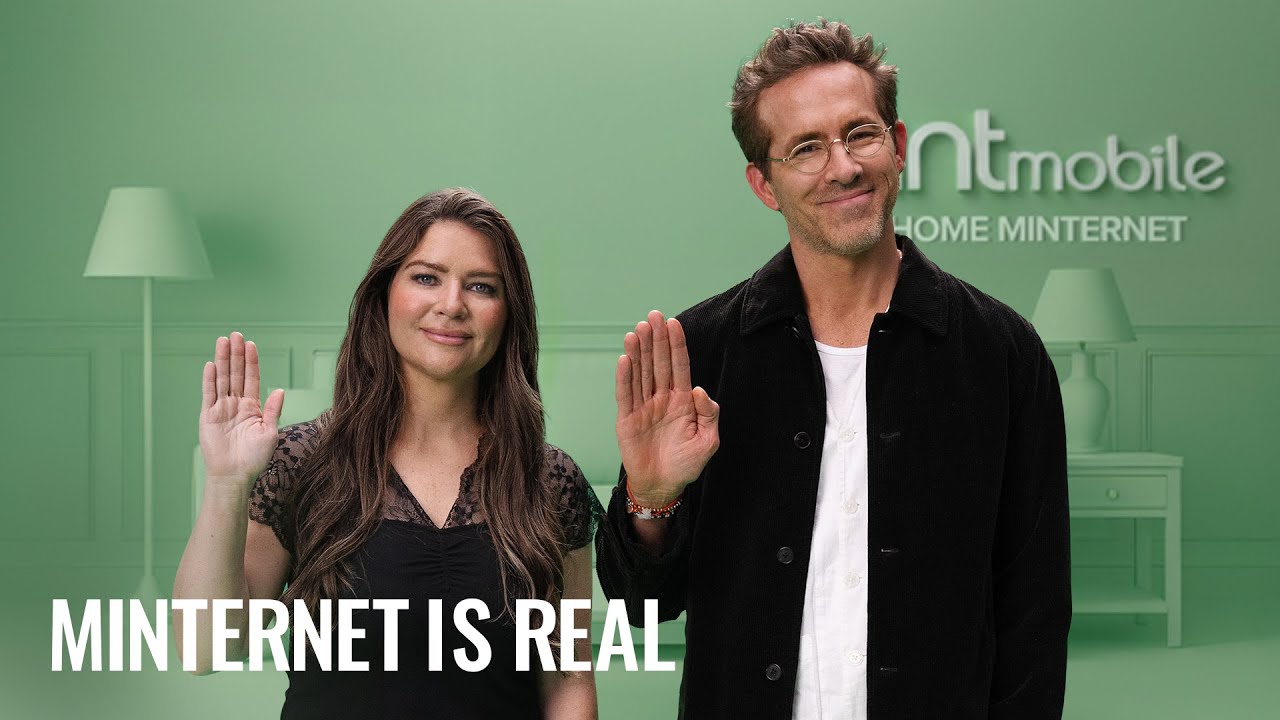
In 2018, Ryan Reynolds took an equity stake in Aviation Gin instead of a standard endorsement fee. Two years later, Diageo acquired the company for $610 million — Reynolds walked away with an estimated $120–150 million. In 2019, he bought approximately 25% of Mint Mobile, a budget wireless carrier with minimal brand recognition. Four years later, T-Mobile acquired it for $1.35 billion, netting Reynolds approximately $300 million. In 2020, he and Rob McElhenney bought a Welsh fifth-tier football club for $2.6 million; by 2025, after three consecutive promotions, it was valued at $129 million. In May 2025, MNTN — the advertising technology company where Reynolds serves as Chief Creative Officer — went public at a $1.24 billion valuation, shares jumping 65% on Day 1.
Each deal follows the same structure: Reynolds exchanges creative services (marketing, content, brand voice) for equity positions that capture long-term upside. The services have immediate value. The equity captures exponential returns. Acting fees over the same period: an estimated $100–125 million. The equity strategy generated 3–4x more wealth.
Reynolds identified a skill that existed beyond his primary craft: marketing. The Deadpool campaigns — created on shoestring budgets when Fox withheld traditional marketing spend — proved he understood modern advertising better than most agencies. Then he did what almost no creative does: he exchanged that skill for equity instead of fees. Compare: Andersen exchanged design for equity over 27 years. Liden exchanged creative direction for WHOOP equity over 12 years. Reynolds compressed the same model into seven years, four exits.
For the library, Reynolds is the equity-for-services-at-scale case — the most documented example of Structure #17 applied systematically across multiple companies. He is the counter-case to Witherspoon: where she built one company to a $900M exit, Reynolds assembled a portfolio of equity positions across multiple ventures. And he is the most instructive case on how creative services function as currency — marketing ability traded for ownership positions that would cost millions to acquire outright. The structures we map onto the portfolio (equity-for-services, holding company, founder equity, advisory) are our reading of how the deals behave; Reynolds and his team negotiated specific contracts we are interpreting through the framework. The fit between what he negotiated and what the structures describe is what makes the case useful.
Timeline
The Equity-for-Services Model: How Creative Services Become Currency
| Deal | Investment | Equity | Exit | Est. Return | ROI | Time |
|---|---|---|---|---|---|---|
| Aviation Gin | $5–10M | ~20–30% | Diageo $610M | $120–150M | 12–24x | 2 years |
| Mint Mobile | $10–20M | ~25% | T-Mobile $1.35B | $300M+ | 15–30x | 4 years |
| Wrexham AFC | $1.3M (half of $2.6M) | ~42% | Valued at $129M | ~$50M (paper) | ~4,900% | 5 years |
| MNTN | Services (CCO role) | CCO stake | IPO $1.24B | Significant | TBD | 4 years |
Portfolio Architecture: Why the Holding Company Beats the One-Company Model
| Asset | Est. Value | Structure | Status |
|---|---|---|---|
| Aviation Gin exit | $120–150M | Realized | Exited 2020 |
| Mint Mobile exit | $300M+ | Realized | Exited 2023 |
| MNTN equity | CCO stake (public) | Equity | Active (NYSE) |
| Wrexham AFC | ~$50M+ (42% of $129M) | Co-owner | Active |
| Maximum Effort Productions | First-look deals | Owned | Active |
| Alpine F1 | Portion of 24% stake | Investment group | Active |
| Other (1Password, Wealthsimple, Necaxa, etc.) | Various | Various | Active |
The Compounding Effect
Prove the marketing skill (Deadpool campaigns created on shoestring budgets). Trade services for equity (Aviation, Mint, Wrexham, MNTN). Creative work directly increases portfolio value (Fastvertising moat). Exits create capital ($420M+ from two exits). Capital funds next deals (Alpine F1, Necaxa, La Equidad, 1Password). Content leverages everything (Welcome to Wrexham transforms football investment into global brand).
The hub is "Equity Over Fees" because the flywheel depends on the systematic refusal to take payment when ownership is available. Every deal follows the same structure: exchange creative services for equity, increase the equity's value through creative work, exit or hold.
Transferable Lessons
Reynolds' primary craft is acting. His most valuable skill turned out to be marketing. The Deadpool campaigns proved it; the equity strategy monetized it. Every creative has a secondary skill that companies would pay for: design sensibility, audience building, storytelling, brand voice, strategic thinking. Identify that skill and negotiate equity instead of fees — even at small scales. Compare: Andersen's secondary skill was understanding deal mechanics (design → venture). Liden's was creative direction (photography → startup equity). The secondary skill is where the equity opportunity lives.
Reynolds is not a passive investor who lends his name. Maximum Effort provides marketing strategy, content creation, brand voice, and rapid-response advertising to every company he invests in. The equity appreciates because his creative work makes the companies more valuable. Without genuine value contribution, you are an endorser, not an owner. The same lesson from Duplass: deliver quality at 0.25x budget — the creative contribution is the competitive advantage, not the name.
Witherspoon built one company deeply. Reynolds assembled a portfolio broadly. Both generated 3–4x more wealth than talent alone. But Reynolds' model has a structural advantage for most creators: you do not need to build a single $900M company. You need to start exchanging services for equity across multiple opportunities. Even 1–2% stakes create ownership mentality and potential upside. Start small. Stack deals.
Welcome to Wrexham transformed a $2.6M football investment into a $129M global brand. The documentary attracted sponsors, drove ticket sales, and justified the valuation premium. Content creates attention; attention creates value. If you own equity in something, create content about it. The content is not a separate business — it is leverage for the portfolio. Same principle: MrBeast's content drives Feastables sales. Stanton's content drove book sales. Reynolds' content drove Wrexham valuation.
A-list celebrity platform. 117M+ social followers and cultural relevance create deal flow that most creatives cannot access. Capital access. $5–20M per equity position requires significant upfront investment; Aviation and Mint were not small bets. Risk tolerance. Reynolds admitted losing ~$12M on Wrexham before profitability. Marketing mastery. Not all creatives have his instinct for viral content. Concentration risk. Reputation damage affects all assets simultaneously.
But the core principle transfers at any scale. You do not need $10M to start. A designer who takes 2% equity in a startup they brand. A photographer who takes equity in a restaurant they document. A writer who takes equity in a product they name. Every creative service is a potential equity exchange. Start with the next deal that comes across your desk.
Verification Info
Primary Sources
Verified Data Points
Gaps to Verify